
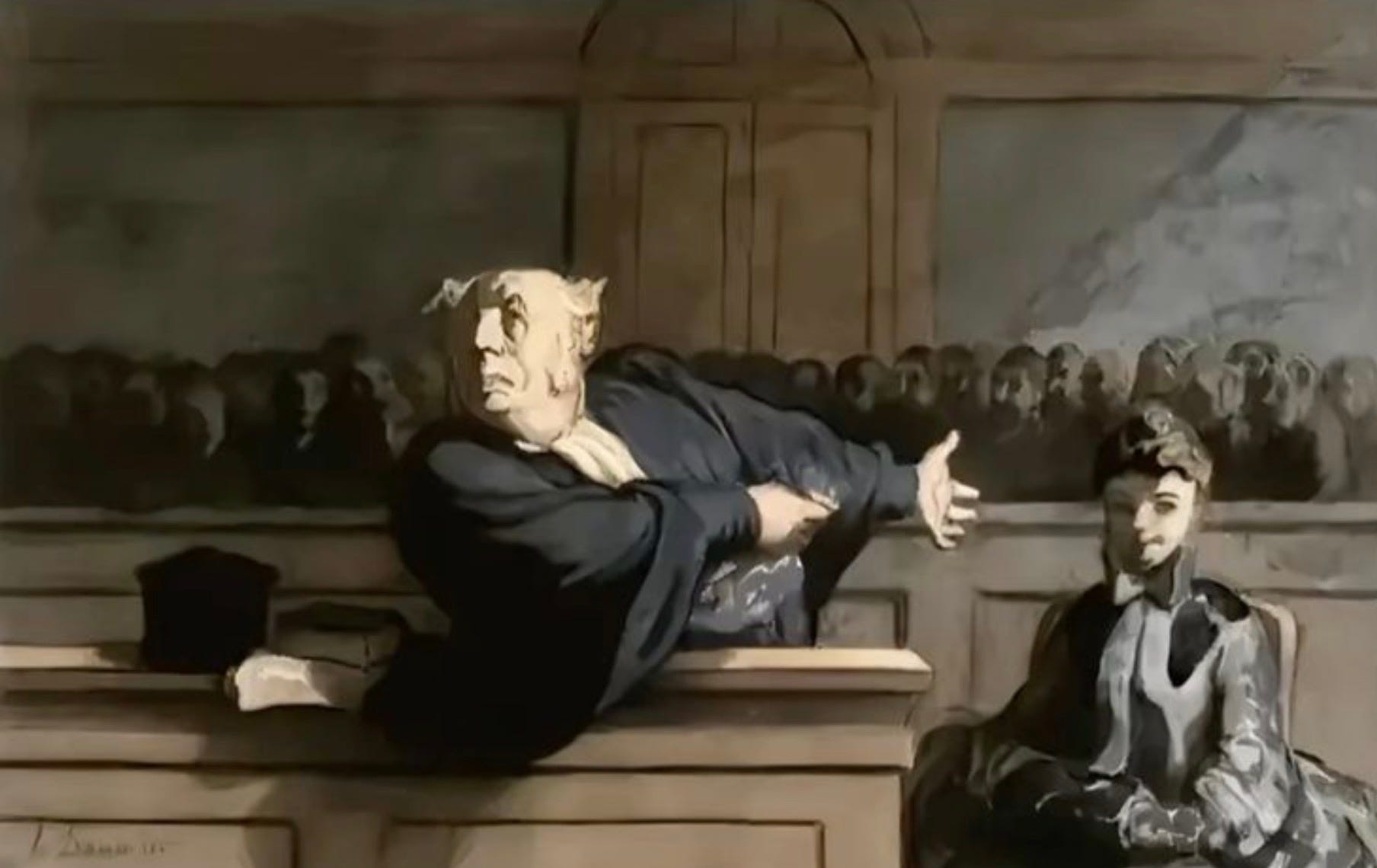
i accidentally ruined my friend’s work-relationship because i started digging into their political opinions.
me and my best friend met her coworker and friend for drinks on Friday. she had previously warned me about their very differing political opinions, and that he might be very shy. but to be a good friend, I said yes to meeting him.
everything went well in the beginning. sure, he was a bit more careful and shy than most, but we pulled him out of his shell fairly quickly. we all got to know each other, even made some jokes, and talked about work and life.
but like the idiot and soon-to-be-psychologist i am, i wanted to dig deeper into their beliefs. i was curious about what made them so different. so the more we drank, the more political the conversation got, mostly because of me being sneaky, and acting all innocent with my questions.
it came to a point where my friend and he started getting into a heavy political debate regarding immigration. more and more emotions got involved, and they both seemed very passionate and protective of their beliefs.
mid-debate he stormed out and left the whole thing, in a very uncomfortable manner. i guess somewhere along the conversation, he ended up feeling belittled. which was ironic because he was arguably the one with the offensive opinions. but he still left, without paying for his drinks.
for days now, I have been thinking about this interaction, and replaying their conversation in my head.
from the beginning, they were very clear in stating that they were on “completely” opposite sides of the political spectrum. but in the heat of all the public screaming and arguing, it seemed like they actually agreed on some core matters.
i’ve always wanted to go into couples therapy, so i saw this as a perfect opportunity to try and solve the conflict. on the topic of crime among immigrants, it seemed like they were just focusing on different sides of the same statistics; she the majority, him the exceptions, but it was the same objective numbers regardless. their perspectives were being portrayed as qualitatively different, when the difference was all in how they presented the same matter.
it felt like it was more important for them to appear to disagree than to actually disagree.
i got violently humbled when i realized my skills as a couples therapist suck ass. instead of trying to stop the argument and let them cool down, i kept on trying to hammer into their heads how stupid they looked, because “they agreed so much more than they thought”. this didn’t really sit well with two people who both felt very offended by the other person’s beliefs.
so he left. my client had stomped straight out of the therapy room.
it was obvious that they both identified heavily with their opinions. to some extent, they weren’t even defending and discussing their opinions, but who they were as people.
feeling a little guilty for starting World War 3, i started wondering why we identify so heavily with our opinions, and what would happen if we were able to distance ourselves from them.
i think part of the reason it’s difficult is that our opinions are attached to our egos. opinions can become extensions of who we want to be, or what we want to be perceived as. when someone challenges them, especially too directly or intensely, we instinctively take a defensive stance. even if we might actually share some of the same opinions deep down.
i think we often make the mistake of treating people’s opinions as evidence of who they are. but no one is born with certain opinions. a lot of it comes down to where we grew up, who raised us, and what we’ve experienced in life.
for me, i’ve grown up in a specific privileged environment, and with certain experiences that have contributed to the opinions i have today. like the family values i was exposed to, and our socioeconomic status. there are so many puzzle pieces making up the full picture of our opinions.
we also don’t decide the families we’re born into, or the religion we’ve been exposed to. so to some extent, our opinions are almost coincidental. we happened to be born somewhere, with a certain context, and this shaped our worldview.
for example, if everyone around you worked hard (and it paid off), you’d probably grow up thinking effort is what gets you places. but if you grew up somewhere people worked just as hard and still struggled, you’d learn that luck and circumstances matter too.
either way, this doesn’t make people’s perceptions irrational. they’re just drawing conclusions from what they’ve been exposed to.
and if I’d been born somewhere else, I would have probably ended up arguing for the other side just as passionately.
so despite my shitty, drunk way of delivering this idea, i started to understand why their fight got explosive. they didn’t just defend their opinions, but their whole lives. their stories, identities, and thus their egos.
instead of having an actually stimulating conversation, we immediately take an unconscious, oppositional stance to other people’s opinions. we want to protect ourselves from threats to our egos, especially if we take pride in our opinions. maybe we feel they represent a higher moral ground compared to others, or that our beliefs are more realistic and rational. which is a shame, especially when we’re discussing things that affect a lot of people.
and maybe you do win the discussion or debate. it still comes at a cost: expanding your mind and understanding other people better. which in today’s age might be the most important currency we have.
i wonder what would happen if we started seeing the distance that’s between us and our ideas.
noticing the distance makes you see your beliefs in a different light. from angles you’ve never tried seeing them from. from where most of us are standing now, we only see one side.
what is in the space between you and your opinions?
you can still have a strong sense of self or identity. this isn’t to imply that your opinions are invalid. it’s important to take standpoints on important matters. if no one had strong opinions, nothing would change.
but the danger is becoming too intertwined with your opinions, through an ego attachment. it traps you, like a bug in a spider web. not moving around freely in the room, and constantly being restricted.
i’m actively working on how to enhance my mind and perspectives of the world, without letting ego and identity get in the way. i’ve noticed that it makes for much better conversations, with all kinds of people.
however, i’ve also experienced first hand how this can’t be forced. because that’s how i ruined a friendship: fishing out opinions from others without even telling mine, and then trying to tell two offended people that “they actually agree”.
although my intentions were good, you can’t force people into a common ground they’re not ready to see. but i do wish people would know that changing opinions doesn’t mean you’ve lost. new perspectives don’t mean an ego threat, or a crisis of identity.
opinions and beliefs, if we let them roam freely, may even vary day to day. the best thing about opinions is that they can change.
and maybe next time, i’ll let people figure that out on their own :)
a very thoughtful piece ! well done
this is such a well written piece🫶🏻